
EGC2021 Multi-Functional Medical Signal Simulator Calibrator,ECG monitor
Mode:EGC2021
Type:QA-Instruments
Contact: ken@hkmedqc.com
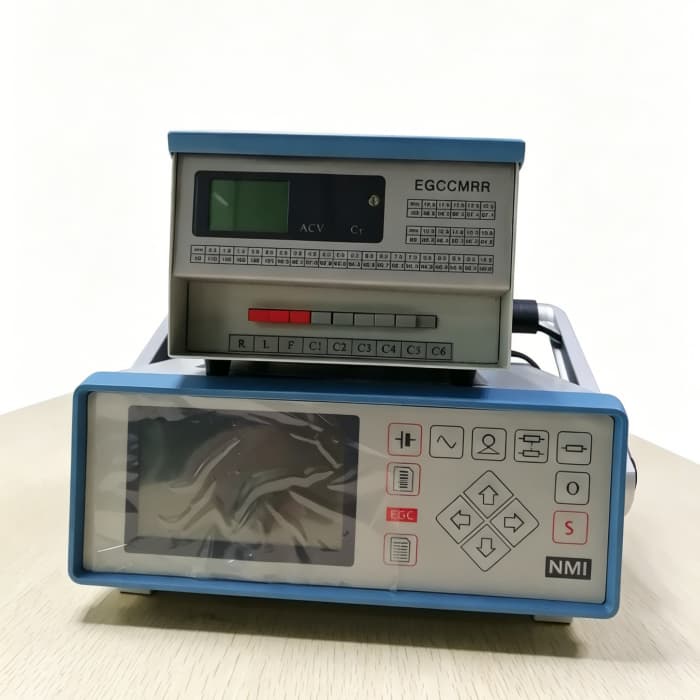
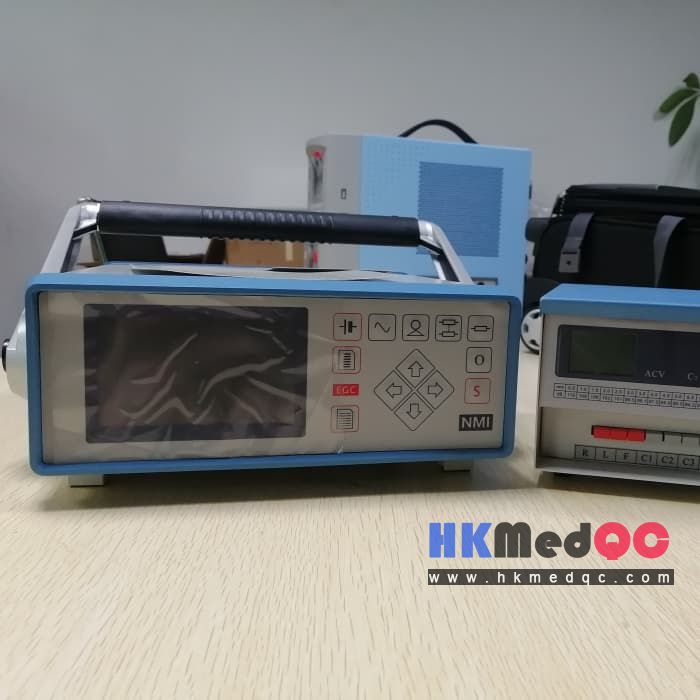
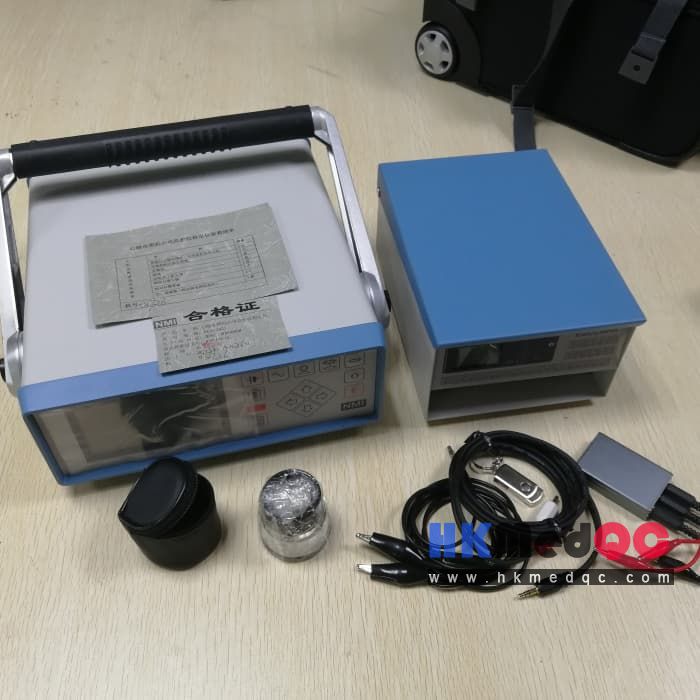
The EGC2021 Electrocardiogram and Brain Electrography Machine Monitoring Instrument is a new type of intelligent electrocardiogram and brain electrography machine monitoring instrument and calibration device launched in 2021. It continues the discontinued models EGC-1C and EGC2011. This machine features a 4.3-inch high-definition true-color 16:9 LCD display with LED backlighting, all menu displays are fully translated into Chinese; the keyboard is simple and the operation is convenient.
The EGC series intelligent calibrators for electrocardiographs, electroencephalographs and cardiac monitors support verification and calibration in compliance with national metrological verification regulations, including JJG543-2008 Electrocardiographs, JJG1041-2008 Digital Electrocardiographs, JJG1043-2008 Electroencephalographs, JJG760-2003 Cardiac Monitors, JJG954-2000 Digital Electroencephalographs and Brain Mapping Instruments, JJG1042-2008 Ambulatory (Portable) Electrocardiographs, and JJF1149-2006 Calibration Specification for Cardiac Defibrillators and Defibrillator Monitors (Monitor Section). In addition, it can output ultra-low frequency signals and simulated electrocardiogram signals for flexible testing in electrophysiology and related fields.
The EGC series fully meets the requirements of JJG749-2007 Calibrators for Electrocardiographs and Electroencephalographs and JJG1016-2006 Calibrators for Cardiac Monitors, enabling convenient traceability of measurement values per these two regulations.
Product Specifications & Features
4.3-inch high-definition (600*320) 16:9 true-color LCD screen with LED backlight, fully Chinese menu interfaceStreamlined keyboard with dual-key operation to avoid adverse consequences caused by misoperation
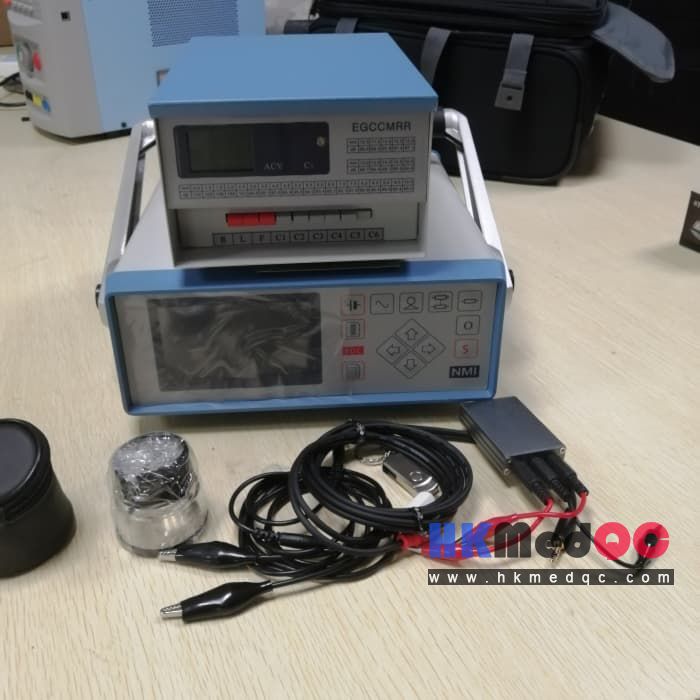
Uniquely designed lead terminal posts compatible with snap connectors for cardiac monitors and all plugs of electrocardiographs & electroencephalographs
Two-tier menu structure with programmed national regulation procedures for extremely simple verification operation
Standard signals used in verification are automatically assigned with comprehensive and clear screen display
Skin impedance, polarization voltage and other parameters required for verification are automatically connected as specified by regulations, eliminating manual intervention
The screen is split into two zones with Chinese prompts to display settings of the device under test and the next operation step for the calibrator during verification
Intelligent error prevention function and Chinese operation prompts embedded in verification programs to prevent misoperation
The AC signal generator accessory required for ambulatory electrocardiograph verification (previously a separate part for EGC-1C) is integrated into the unit and activated automatically when needed during verification
Built-in signal source outputs sine waves, square waves, triangular waves, simulated ECG waveforms, ECG simulation signals, HR heart rate signals, monitor heart rate signals and pacing pulse signals; various auxiliary circuits can be easily added for testing and experimental use
Adopts the operating habits of previous EGC series widely used by most domestic institutions performing electrocardiograph, electroencephalograph and cardiac monitor testing, enabling quick user proficiency
Photoelectric isolation and floating isolation technologies enhance anti-interference performance, effectively suppressing mains power interference during verification (ECG and EEG signals feature tiny amplitudes and a frequency response covering 50Hz, making them highly susceptible to interference without proper handling)
The common-mode rejection ratio test device for analog/digital electrocardiographs, cardiac monitors and ambulatory electrocardiographs adopts internationally universal testing methods aligned with IEC, OIML and US national standards as required by national metrological regulations. It uses capacitors for signal voltage division and adjustment, high-input-impedance measuring voltmeters, double-layer shielding and high-insulation materials. This independent auxiliary unit operates separately from the main unit to fully comply with international standard specifications
Custom AC/DC dual-power models available for special application scenarios
Note:
The calibration of the electrocardiograph uses signals with an amplitude of 0.5mV or above. The maximum allowable error requirement is the highest at 1%. Within the range of EEG calibration, except for the polarization voltage which uses a 100μV ± 1% square wave signal, the rest use an external attenuator, and the amplitude range of the square wave is above 10mV, and the amplitude range of the sine wave is above 100mV. The maximum allowable error as per the national metrological calibration regulations is 1%. Therefore, setting the maximum allowable amplitude error within 80μV - 30V (peak-to-peak) as ±0.5% is sufficient.
The actual indicators of EGC2011 are all higher than the values given above, leaving sufficient margin, and thus have high reliability.
Dimensions
Main unit: 290 × 300 × 110 (mm)
Common-mode test accessory unit: 220 × 160 × 110 (mm)
Total set weight: 12 kg
Common-mode test accessory unit: 220 × 160 × 110 (mm)
Total set weight: 12 kg
| EGC2011 Intelligent Calibrator Technical Specifications | |
| Parameter | Specification |
| Operating Environment | |
| Temperature | 20℃±5℃ |
| Relative Humidity | <80% |
| Power Supply | 220 V±10%, 50 Hz±5% |
| Balanced Attenuator | |
| Attenuation Ratio | 1:1000 |
| Maximum Allowable Error of Attenuation Ratio | ±0.3% |
| Square Wave Signals | |
| Peak-to-Peak Amplitude Range | 8.00 μV ~ 30.0 V (See notes for applicable range in ECG & EEG verification) |
| Maximum Allowable Peak-to-Peak Amplitude Error | 80.0 μV ~ 30.0 V: ±0.5% (Applicable range for ECG & EEG verification) 50.0 μV ~ 80.0 μV: ±1% 8.00 μV ~ 50.0 μV: ±5% |
| Period Range | 2 ms ~ 50 s |
| Maximum Allowable Period Error | ±(0.03% of signal period + 2 μs) |
| Sine Wave Signals | |
| Peak-to-Peak Amplitude Range | 8.00 μV ~ 30.0 V (See notes for applicable range in ECG & EEG verification) |
| Maximum Allowable Peak-to-Peak Amplitude Error (20 mHz ~ 200 Hz) | 80.0 μV ~ 30.0 V: ±0.5% (Applicable range for ECG & EEG verification) 50.0 μV ~ 80.0 μV: ±1% 8.00 μV ~ 50.0 μV: ±5% |
| Frequency Range | 20 mHz ~ 1000 Hz |
| Maximum Allowable Period Error | ±(0.03% of signal period + 2 μs) |
| Distortion | ≤1% below 500 Hz; ≤2% above 500 Hz |
| Triangular Wave Signals | |
| Period Range | 2 ms ~ 50 s |
| Maximum Allowable Period Error | ±(0.1% of signal period + 2 μs) |
| Standard Heart Rate Signals | |
| Heart Rate Range | 10.0 ~ 500 beats per minute |
| Maximum Allowable Heart Rate Error | ±0.1% of signal cycle |
| Peak-to-Peak Amplitude Range (both polarities) | 4.00 μV ~ 15.0 V |
| Maximum Allowable Peak-to-Peak Amplitude Error | 40.0 μV ~ 15.0 V: ±1% 25.0 μV ~ 40.0 μV: ±2% 4.00 μV ~ 25.0 μV: ±5% |
| Polarization Voltage | |
| DC Voltage Range | ±300 mV |
| Maximum Allowable Voltage Error | ±1% |
| Differential Signals | |
| Fixed Period | 1 s |
| Maximum Allowable Period Error | ±0.1% |
| ECG Simulation Signals (For Digital Electrocardiograph Verification) | |
| Peak-to-Peak Amplitude Range | 8.00 μV ~ 30.00 V |
| Maximum Allowable Peak-to-Peak Amplitude Error | 80.0 μV ~ 30.00 V: ±0.5% 50.00 μV ~ 80.0 μV: ±1% 8.00 μV ~ 50.0 μV: ±5% |
| Fixed Period | 1333.3 ms |
| Maximum Allowable Period Error | ±0.1% |
| Maximum Proportional Deviation of Each Amplitude Measuring Point | ±0.3% |
| Maximum Proportional Deviation of Each Time Measuring Point | ±0.1% |
| 6 Types of HR Simulation Signals (For Digital Electrocardiograph Verification) | |
| Standard Heart Rates | 30, 60, 120, 240, 300 beats per minute |
| Maximum Allowable Heart Rhythm Error | ±0.1% |
| Peak-to-Peak Amplitude Range | 8.00 μV ~ 30.00 V |
| Maximum Allowable Peak-to-Peak Amplitude Error | 80.0 μV ~ 30.00 V: ±0.5% 50.00 μV ~ 80.0 μV: ±1% 8.00 μV ~ 50.0 μV: ±5% |
| Simulated Sinus Heart Rate Signals (For Calibration & Testing of Cardiac Defibrillators, etc.) | |
| Fixed Heart Rate | 60 beats per minute |
| Maximum Allowable Heart Rhythm Error | ±0.1% |
| Peak-to-Peak Amplitude Range | 8.00 μV ~ 30.00 V |
| Maximum Allowable Peak-to-Peak Amplitude Error | 80.0 μV ~ 30.00 V: ±0.5% 50.00 μV ~ 80.0 μV: ±1% 8.00 μV ~ 50.0 μV: ±5% |
| Pacing Pulse Test Signals (For Ambulatory Electrocardiograph Verification) | |
| Repetition Rate | 100 beats per minute |
| Maximum Allowable Repetition Rate Error | ±0.1% |
| Pulse Widths | 0.1 ms, 1 ms, 2 ms |
| Maximum Allowable Pulse Width Error | ±1% |
| Pulse Rising Edge | <20 μs |
| Peak-to-Peak Amplitude Range | 4.00 μV ~ 15.0 V |
| Maximum Allowable Peak-to-Peak Amplitude Error | 40.0 μV ~ 15.0 V: ±1% 25.0 μV ~ 40.0 μV: ±2% 4.00 μV ~ 25.0 μV: ±5% |
| Superimposed Sine Wave Peak-to-Peak Amplitude | 2 mV |
| Maximum Allowable Superimposed Sine Wave Amplitude Error | ±1% |
| Superimposed Sine Wave Frequency | 10 Hz |
| Maximum Allowable Superimposed Sine Wave Frequency Error | ±1% |
| Common-Mode Rejection Ratio Test Device (For Electrocardiograph, Cardiac Monitor & Ambulatory Electrocardiograph Verification) | |
| 10 V Common-Mode Voltmeter Input Impedance | > 300 MΩ |
| 10 V Common-Mode Voltmeter Effective RMS Voltage Measurement Range | 9 V ~ 11 V |
| 10 V Common-Mode Voltmeter Maximum Allowable Measurement Error | ±5% |
| Common-Mode Signal Source Output Equivalent Capacitance | 200 pF (adjust variable capacitor to achieve 10 V reading on common-mode voltmeter) |
| Common-Mode Signal Source Maximum Allowable Capacitance Error | ±20 pF |
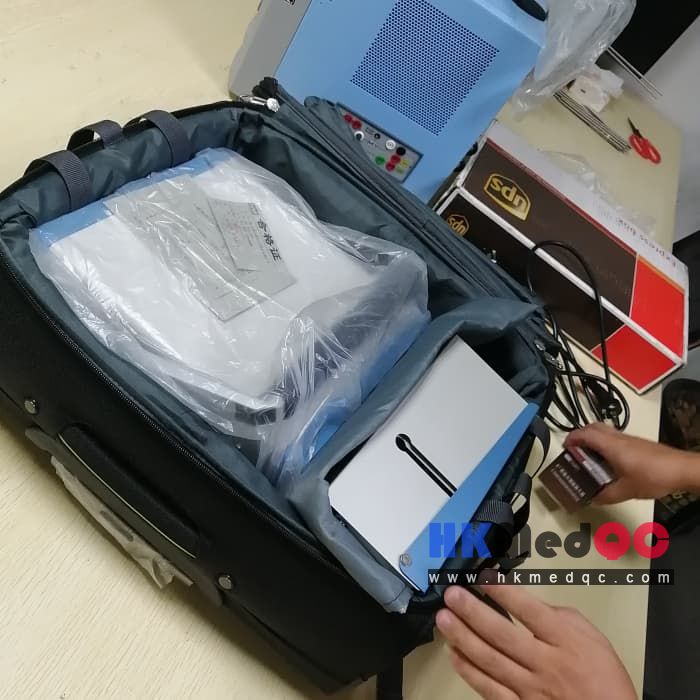
EGC2021 Multi-Functional Medical Signal Simulator Calibrator,ECG monitor real photo:
SAG: EGC2021,EGC2021 ECG monitor,EEG calibrator,EGC2021 Medical ECG Monitor Tester,medical signal calibrator,metrology calibration device,cardiac monitor calibrator,medical testing equipment