
Neck Vascular Simulation Surgical Model,Carotid Artery Training Model
Mode:HMQ-CASM
Type:QA-Phantom
Contact: ken@hkmedqc.com
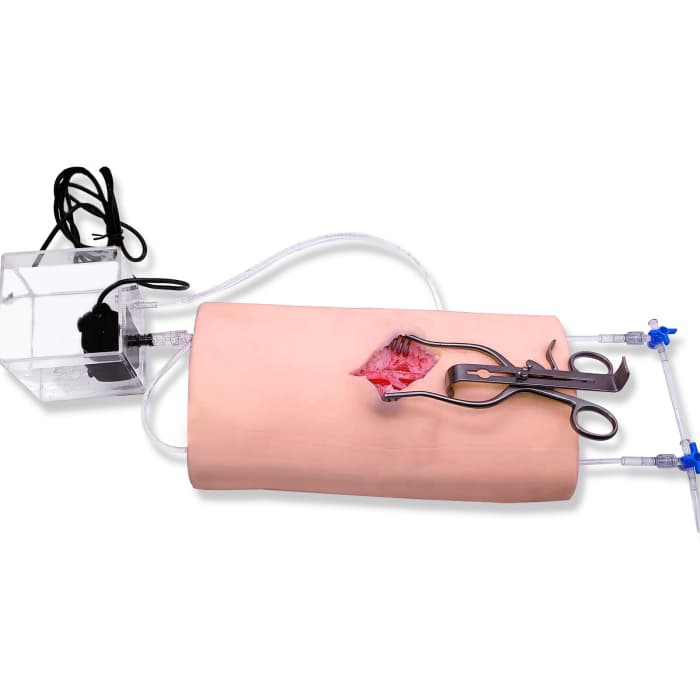
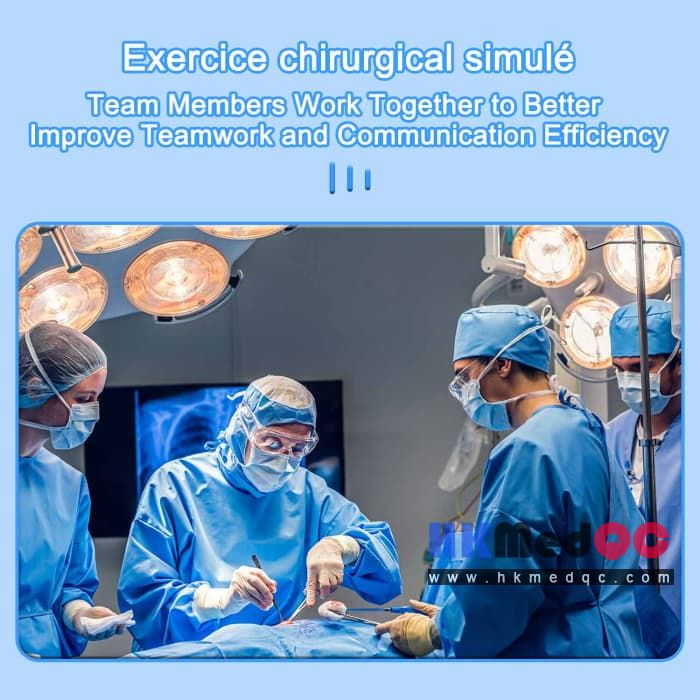
Designed for vascular surgeons, neurosurgeons, and general surgery professionals, this high-fidelity training tool is tailored for carotid artery procedures. It accurately replicates the Y-shaped anatomical structure of the human carotid artery and simulates vascular exposure, dissection, anastomosis, and interventional operations in a realistic surgical environment. Widely used in medical school teaching, clinical skill training centers, and continuing education programs, it helps learners improve carotid artery surgical skills and clinical confidence in a safe, controlled setting.

Usage and Maintenance Recommendations:
1.Key Features
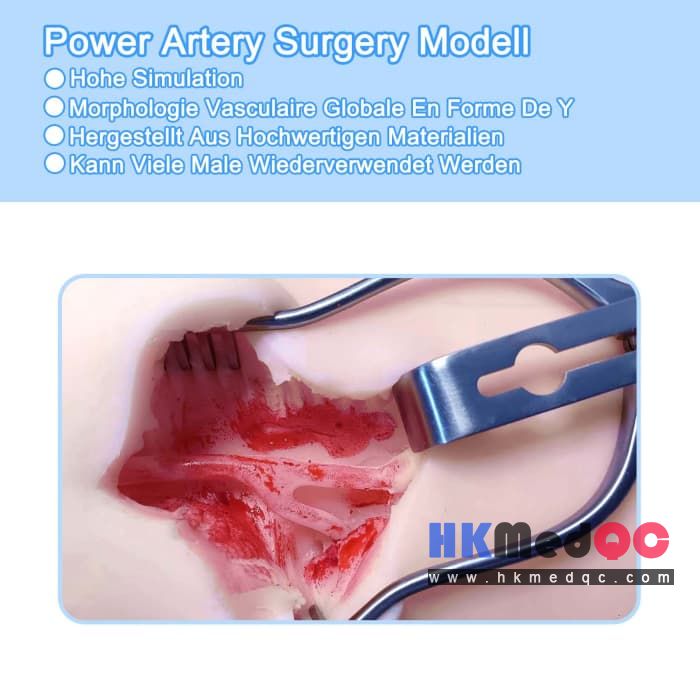
- High-Realism Vascular Anatomy Simulation: Made of premium polymer materials, the model precisely mimics the Y-shaped bifurcation, tissue texture, elasticity, and surrounding anatomical relationships of the human carotid artery, providing feedback nearly identical to real surgery.
- Full-Process Surgical Skill Training: Supports practice of core vascular surgery procedures, including carotid artery exposure, vascular dissection, endarterectomy, vascular anastomosis, and interventional puncture, covering all key technical aspects of carotid surgery.
- Safe & Efficient Clinical Skill Enhancement: Enables repeated hands-on practice without involving real patients, helping learners master surgical workflows and techniques proficiently, significantly improving clinical precision and emergency response capabilities.
- Versatile Teaching Applications: Suitable for classroom anatomy instruction, surgical demonstrations, skill assessments, and scientific experiments. It supports teaching in medical schools, vascular surgery training centers, and clinical departments to cultivate skilled vascular surgery professionals.
- Durable & Reusable: Wear-resistant and tear-resistant materials withstand repeated use without damage, making the model ideal for long-term teaching and training while effectively reducing educational costs.
2.Applications
- (1) Carotid artery surgical skill training for vascular and neurosurgery professionals
- (2) Practice of clinical procedures such as carotid endarterectomy and vascular anastomosis
- (3) Vascular anatomy teaching and surgical training in medical schools
- (4) Clinical continuing education, skill assessment, and scientific research experiments
- (5) Skill improvement for vascular surgery and emergency department staff
Primary Functions and Applications of the Model
Carotid Endarterectomy (CEA) Simulation: Practice incising the carotid artery and dissecting atherosclerotic plaques to reduce the patient's risk of stroke.
Vascular Anastomosis Training: Physicians can practice suturing blood vessels, repairing incisions, and utilizing vascular patches on the model.
Interventional Radiology Training: Certain advanced models support the simulation of interventional procedures involving guidewires and catheters, such as Carotid Artery Stenting (CAS).
Medical Device Testing: Used for the development and validation of new neurointerventional catheters, microwires, or angioplasty devices.
Key Technical Features—High-Fidelity Tactile Sensation:
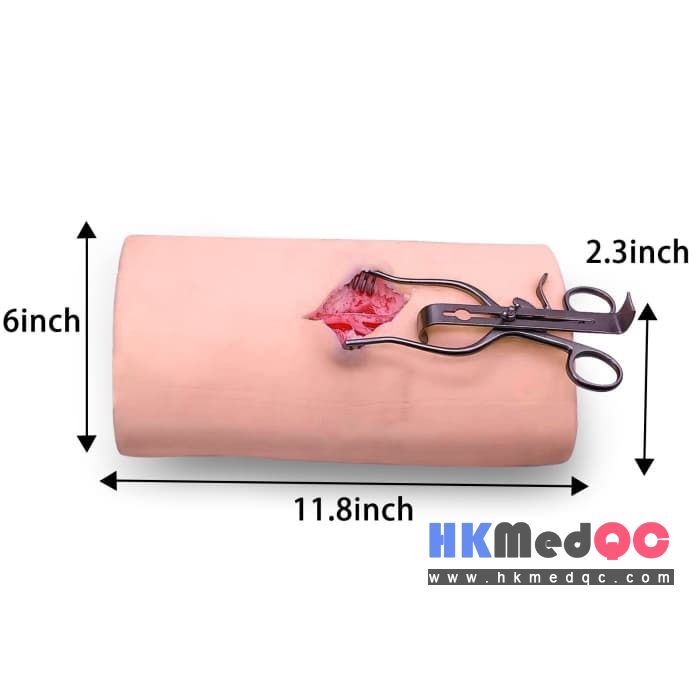
Highly Realistic Tactile Feedback: Constructed from advanced polymeric materials (such as PVA or specialized hydrogels), the model provides tactile feedback—including resistance during cutting, suturing, and tissue tension—that closely mimics that of actual living tissue.
Comprehensive Anatomical Structure: The model typically features the Y-shaped bifurcation structure of the common carotid artery (CCA), internal carotid artery (ICA), and external carotid artery (ECA).
Pathological Simulation: The interior is typically embedded with "artificial plaques" that simulate varying degrees of vascular stenosis (e.g., severe stenosis >70%), used for practicing plaque removal.
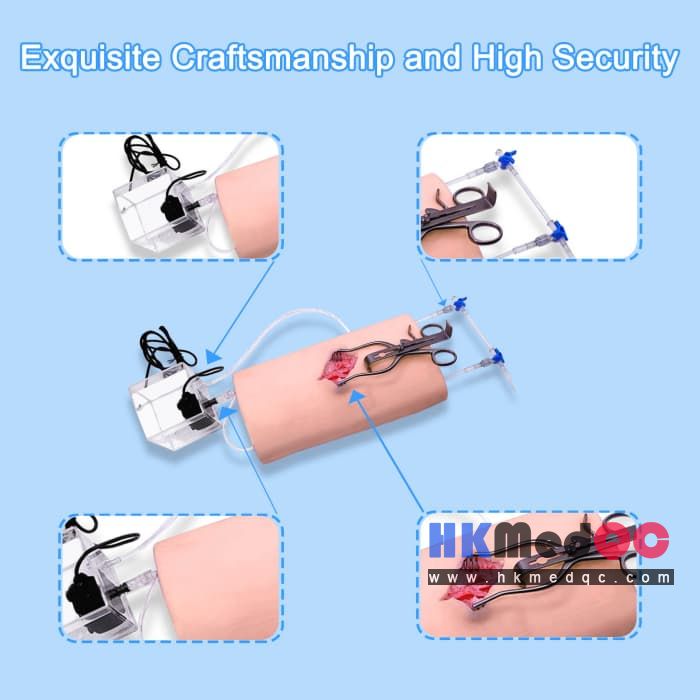
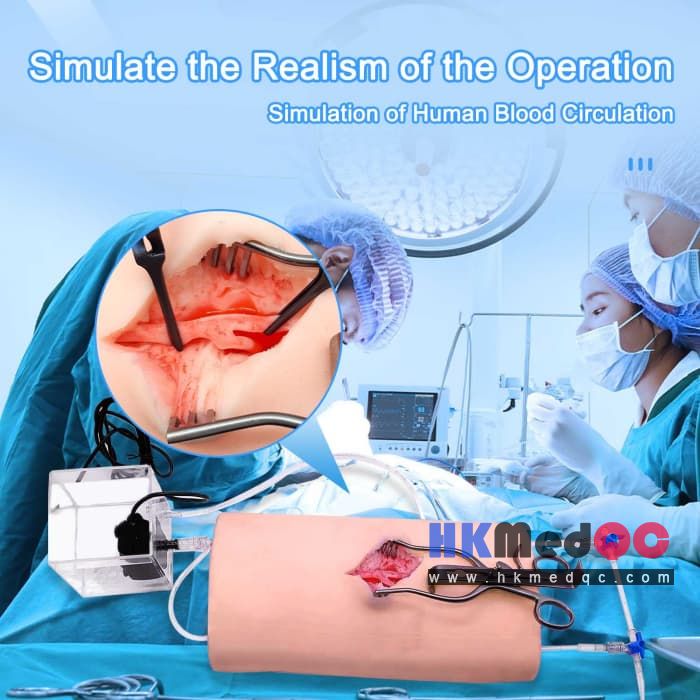
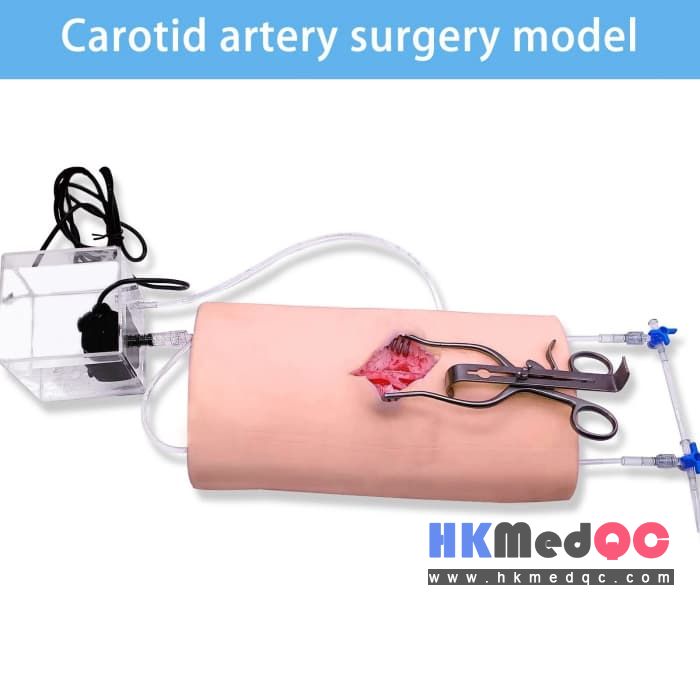
Circulatory System Integration: Many models are equipped with a pulsatile pump system capable of simulating realistic blood flow pressure and pulse, thereby enhancing the realism of hemostasis training exercises.
Usage and Maintenance Recommendations:
Reusability: These models are typically designed for multiple uses; however, the vascular intima (inner lining)—specifically the section from which plaques are removed—may need to be replaced periodically as a consumable component.
Storage: During use, it is recommended to periodically mist the model with water to maintain the material's lifelike elasticity. For long-term storage, the model should be sealed in a resealable bag or placed in a container filled with water.
Non-toxic and Safe: Most models are constructed from non-toxic, odorless, and latex-free materials, allowing for long-term storage without the need for refrigeration.
SAG: Carotid Artery Surgical Model,Vascular Surgery Training Simulator,Y-Type Carotid Anatomy Phantom, Carotid Endarterectomy Practice Model,Vascular Anastomosis Training Tool,Medical Student Carotid Procedure Phantom,Neurovascular Surgical Trainer,Carotid Tra