
Basic Laparoscopic Surgery Training Kit,Pherical Laparoscopic Simulator
Mode:HMQ-LSSA
Type:QA-Phantom
Contact: ken@hkmedqc.com
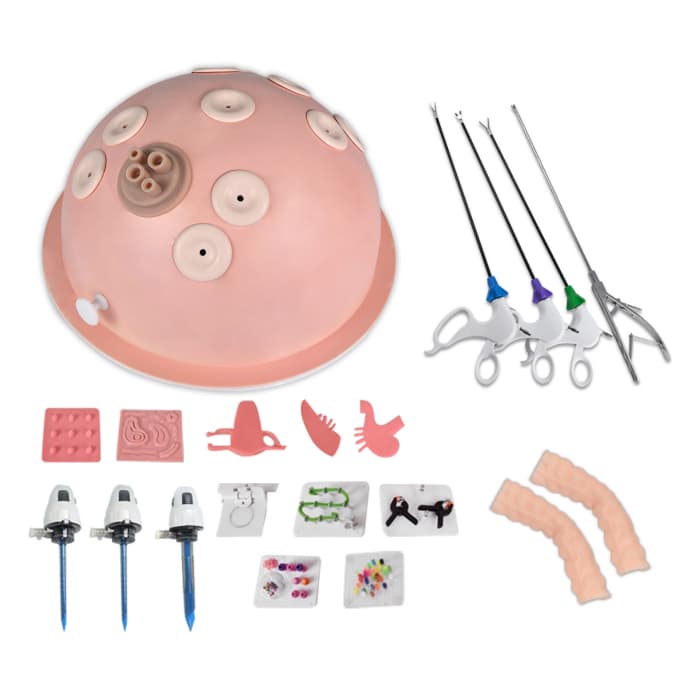
Designed for medical students, surgical residents, and practicing surgeons, this all-in-one laparoscopic training system delivers immersive, realistic practice for minimally invasive surgery skills.
The compact, portable training box replicates the core challenges of laparoscopic procedures, including hand-eye coordination, depth perception, and precise instrument control. With interchangeable modules, users can progress through foundational exercises like peg transfer, pattern cutting, suturing, and knot tying, building proficiency from basic manipulation to advanced procedural tasks.
-
Beginner-Friendly Design for Core Skill PracticeThis compact dome-shaped simulator is perfect for learning the fundamentals of laparoscopy. Practice basic instrument handling, grasping, cutting, and transfer tasks to build essential dexterity.
-
Essential Training Modules IncludedComes with all basic modules you need to get started: peg transfer pads, pattern cutting mats, and simple knot-tying boards. Great for learning hand-eye coordination and muscle memory at a low cost.
-
Ultra-Portable & Easy to UseLightweight and compact design requires no assembly. Set it up on any desk for quick practice sessions at school, the hospital, or home. No complicated equipment needed.
-
Durable & Cost-Effective for Daily PracticeMade of puncture-resistant silicone and high-quality plastic. Designed to withstand frequent use by students, making it an affordable option for introductory laparoscopic training.
-
Ideal for Medical Students & New LearnersPerfect for medical students, nursing students, and beginners to get familiar with laparoscopic instruments and basic techniques before moving to advanced simulators.
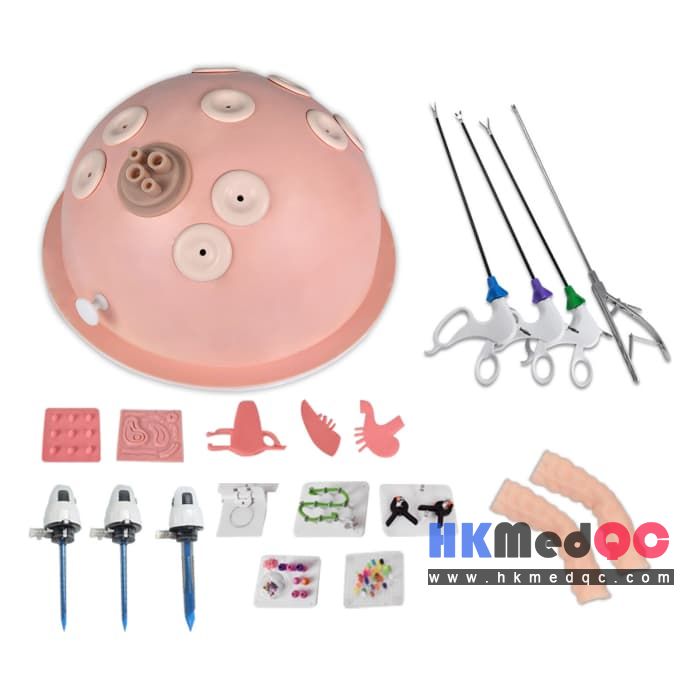
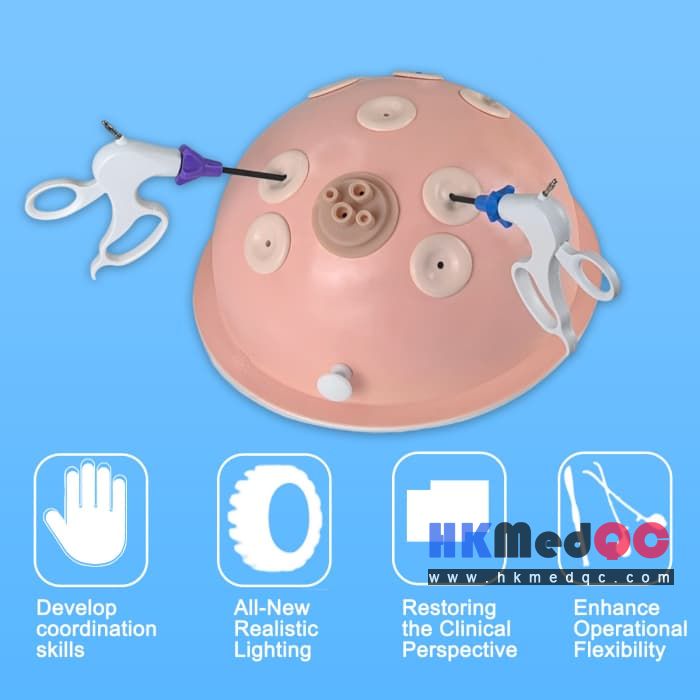
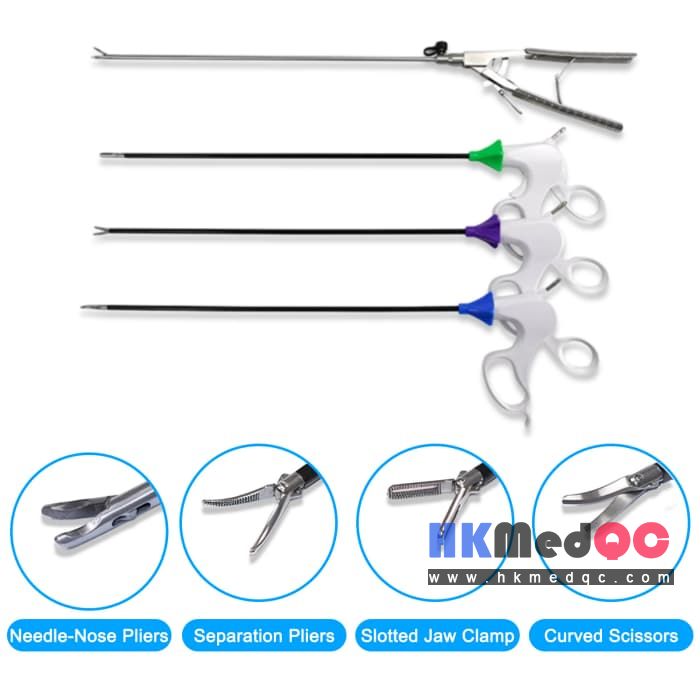
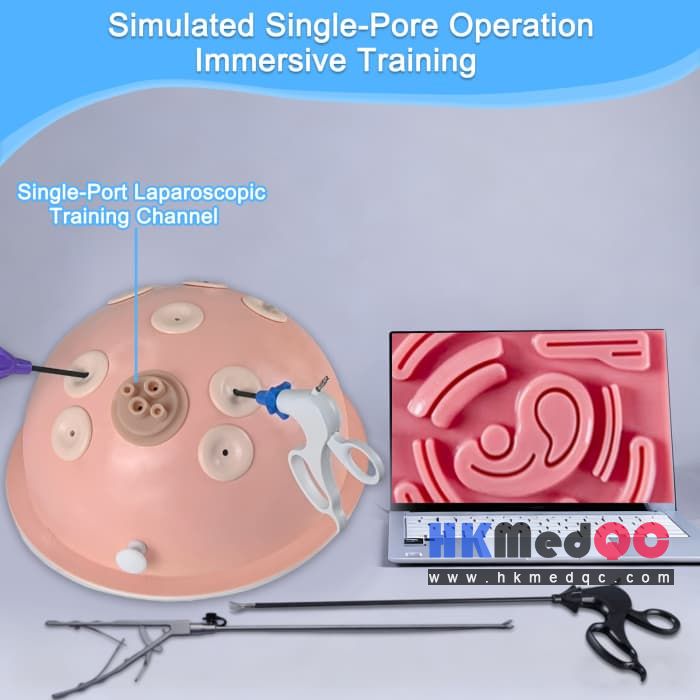
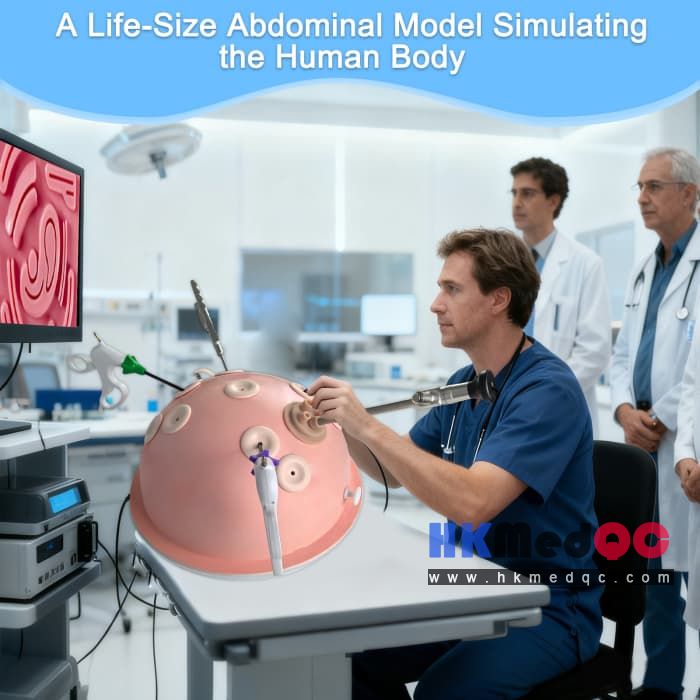
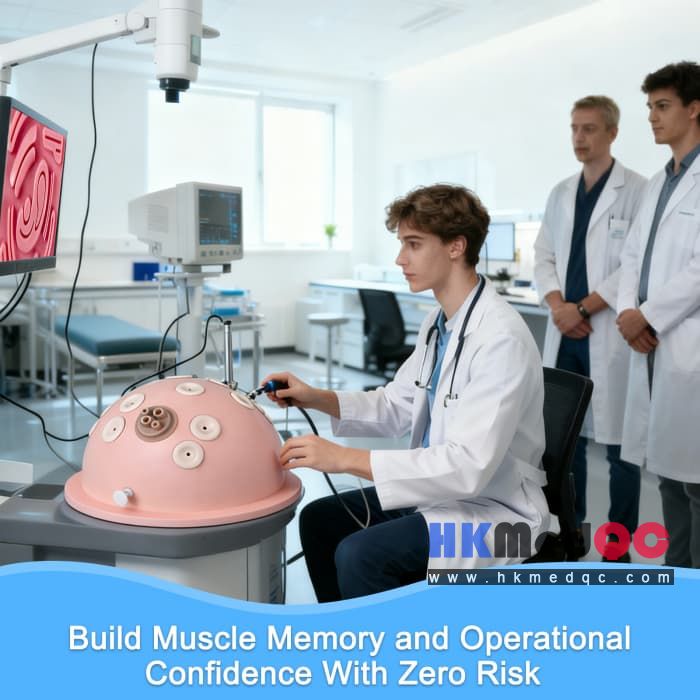
Key features: The lowest cost, the simplest structure, only equipped with basic training modules, focusing on basic movements such as holding, transferring, and cutting of endoscopic instruments.
Limitations: Few ports, few accessories, unable to perform complex organ operations and suturing training, the authenticity and specificity of the training are relatively weak.
Applicable scenarios: Personal entry-level practice for medical students, small institutions with limited budgets, or as a supplementary training tool for basic skills.
SAG: Basic Laparoscopic Surgery Simulator,Surgical Training Box,Medical Student Training,Laparoscopy Practice Kit, Minimally Invasive Surgery Training,Interchangeable Training Modules,Surgical Resident Education,Hand-Eye Coordination Trainer