
Sewing Training Model,Surgical Nerve Suture Practice Model
Mode:HMQ-NAPM
Type:QA-Phantom
Contact: ken@hkmedqc.com
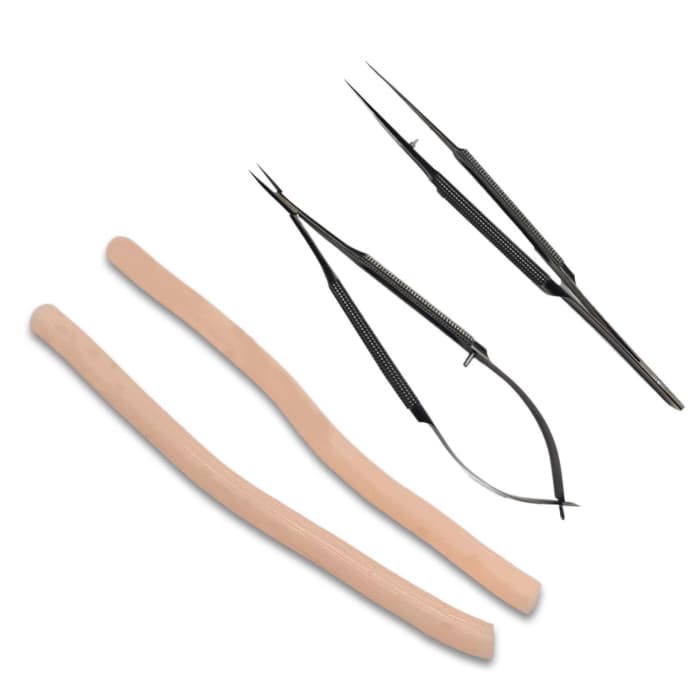
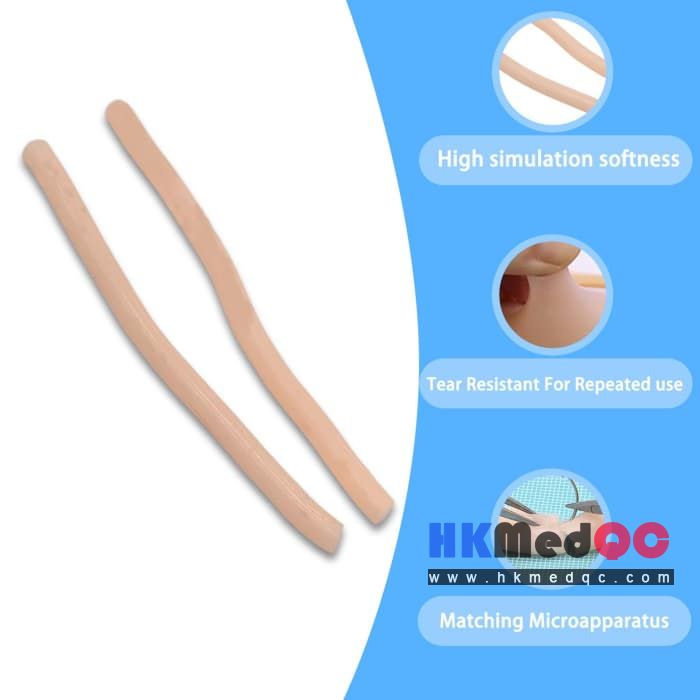
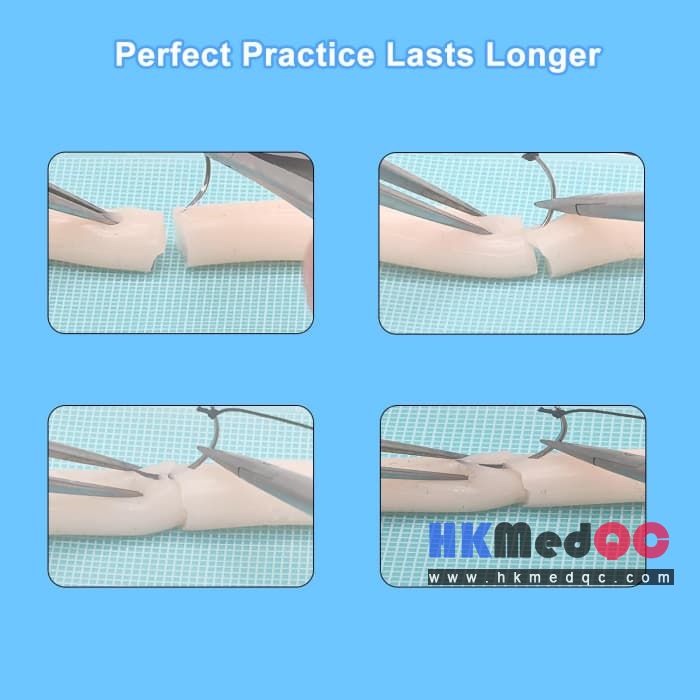
Designed for microsurgeons, orthopedic surgeons, neurosurgeons, and plastic surgeons, this high-fidelity training tool is dedicated to nerve anastomosis and repair procedures. It closely mimics the texture and toughness of human nerve tissue, supporting hands-on practice of delicate operations such as microsuturing and nerve anastomosis. It helps learners improve microsurgical skills and precision in a safe, controlled environment, making it an ideal teaching tool for medical education and clinical skill training.
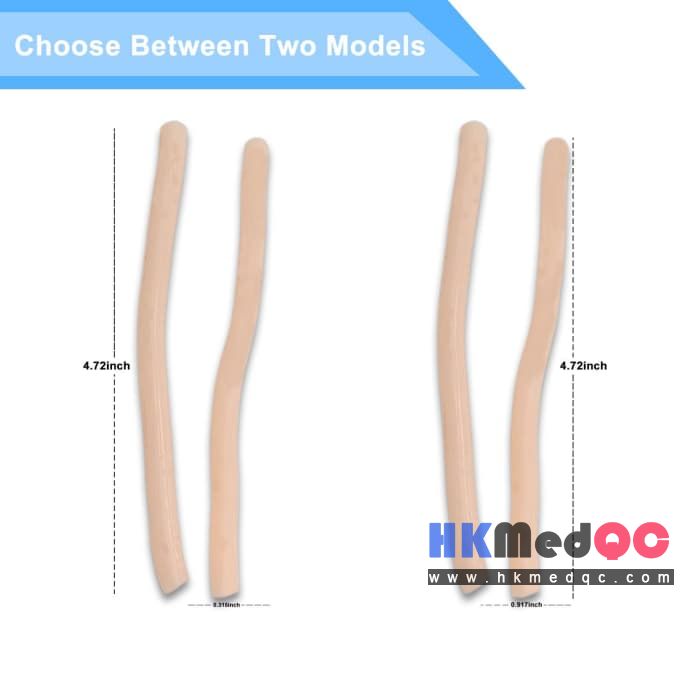
Precautions for Using the Nerve Anastomosis Practice Model
Key Features:
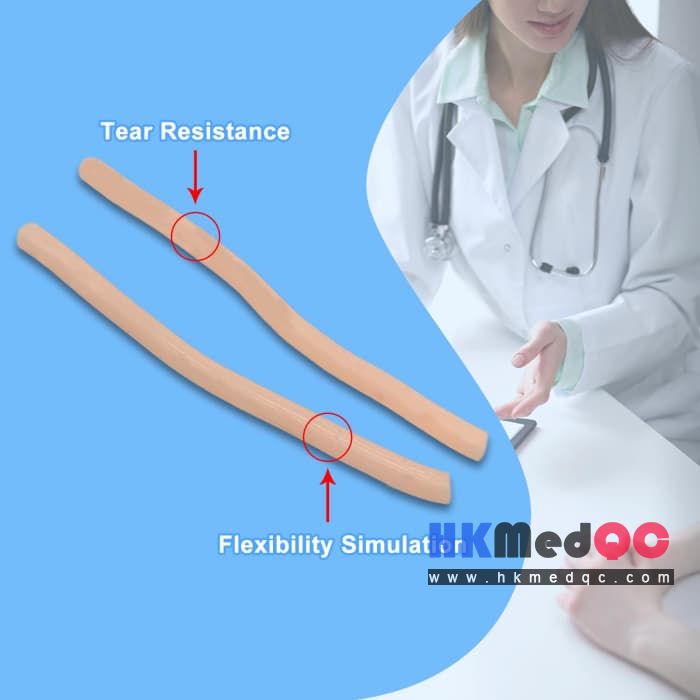
- High-Realism Nerve Tissue Simulation: Made of high-softness, tear-resistant medical-grade simulation materials, the model accurately replicates the texture, elasticity, and toughness of human nerves, providing suturing feedback nearly identical to real surgery and restoring authentic nerve anastomosis experience.
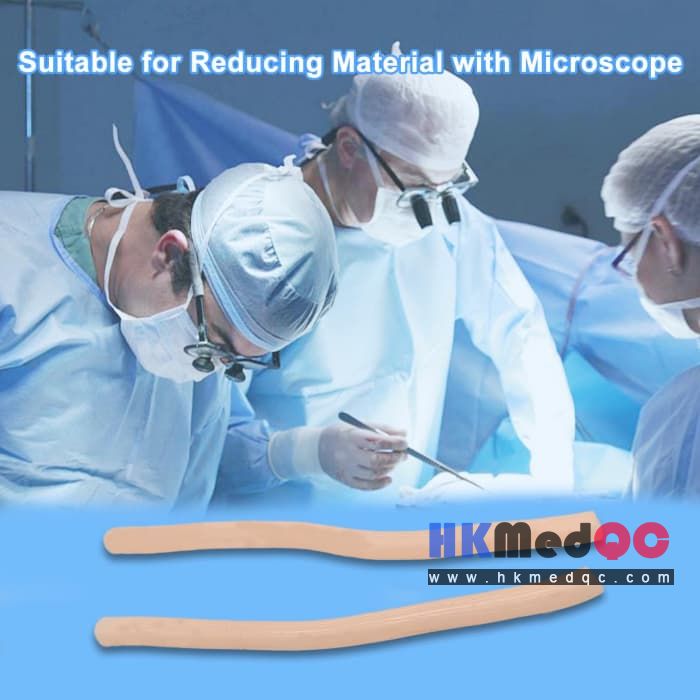
- Optimized for Microsurgery: Designed to be compatible with microsurgical instruments, the model supports practice of delicate operations including nerve anastomosis, microsuturing, and nerve repair, helping learners master core microsurgical techniques.
- Durable & Reusable: Wear-resistant and tear-resistant materials withstand repeated suturing practice without damage, ideal for long-term teaching and training while significantly reducing training costs.
- Safe & Efficient Skill Enhancement: Enables repeated hands-on practice without involving real patients, helping learners master microsurgical workflows and suturing techniques proficiently, significantly improving operational precision and clinical confidence.
- Versatile Teaching Applications: Suitable for classroom anatomy instruction, surgical demonstrations, skill assessments, and scientific experiments. It supports teaching in medical schools, microsurgery training centers, and clinical departments to cultivate skilled microsurgery professionals.
Applications:
- Nerve anastomosis surgery training for microsurgery, orthopedic, and neurosurgery professionals.
- Clinical practice of delicate operations such as nerve repair and microsuturing.
- Microsurgical skill teaching and practical training in medical schools.
- Clinical continuing education, skill assessment, and scientific research experiments.
- Microsurgical skill improvement for surgical residents and fellows.
Precautions for Using the Nerve Anastomosis Practice Model
1. Pre-Operation Preparation & Protection
- Environment & Instrument Compatibility: Operate in a clean, well-lit environment. Use only matched microsurgical instruments; avoid using standard, blunt instruments to force punctures, which may tear the simulated tissue irreparably.
- Cleaning & Lubrication: Wipe the model surface with a medical-grade lint-free cloth before use. If needed, apply a small amount of normal saline or medical lubricant to simulate the moist environment of real tissue and reduce friction damage between instruments and the model.
- Hand Preparation: Trim and smooth your nails, and wear powder-free latex gloves to prevent scratching the model surface and avoid contamination from glove powder.
2. Operation Specifications
- Controlled Suture Force: Regulate puncture and suture force during practice. Avoid violent punctures or excessive traction on the model tissue to prevent irreversible tearing that would affect subsequent training.
- Single Practice Duration: Limit continuous practice to no more than 30 minutes. Avoid prolonged pulling or squeezing on the same area to minimize fatigue damage and extend the model’s service life.
- Cross-Contamination Prevention: When used by multiple trainees, use separate cleaning tools or wipe the model surface briefly after each session to prevent surface contamination from repeated contact.
3. Post-Operation Maintenance & Storage
- Cleaning: After use, gently wipe the model surface with a mild neutral detergent (e.g., diluted medical neutral hand soap) to remove residual stains. Rinse with clean water and air-dry naturally—do not expose to direct sunlight or high temperatures.
- Dry Storage: Store the model in a cool, dry, light-proof sealed container. Keep it away from high temperatures and humidity to prevent material aging, deformation, or mold growth.
- Damage Management: Inspect the model regularly. If obvious tears or damage occur, mark the affected area and avoid practicing on it to maintain proper tactile feedback and training effectiveness.
4. Safety & Risk Warnings
- Not for Clinical Use: This model is for training purposes only. It is not a substitute for real surgical scenarios, and the model or practice instruments must never be used for human clinical procedures.
- Material Safety: If the model emits an unusual odor, becomes sticky, or shows severe discoloration, the material has likely degraded. Discontinue use immediately and avoid contact with skin or mucous membranes.
SAG: Nerve Anastomosis Training Model,Microsurgery Nerve Repair Simulator,Surgical Nerve Suture Practice Phantom,Reusable Microsurgery Training Model,Medical Student Nerve Anastomosis Trainer,Durable and Reusable Design